The short answer: if you're storing food or drinks on ice, the safest plastic numbers are #2 (HDPE), #4 (LDPE), and #5 (PP). These three resins do not contain BPA and have no widely documented chemical-leaching risk, which is exactly why most coolers, ice trays, and reusable drink containers are built from them. Avoid #3 (PVC), #6 (PS/polystyrene foam), and be cautious with #7 ("Other," which sometimes includes BPA-based polycarbonate) when the container will touch food, ice, or beverages for extended periods.
That single fact answers most of the questions people search for — what number on plastic is safe, what plastic number is safe, and is number 7 plastic safe — but it doesn't tell you which physical type of ice cooler container actually fits your situation. A rotomolded hard cooler, a soft-sided lunch cooler, and a stackable ice cube bin all solve different problems, even though several of them might use the exact same resin underneath. This guide breaks down all seven common container types you'll run into when shopping for ice storage, explains the plastic number meaning behind each one, and gives you a direct recommendation based on how you actually plan to use it.
What the Numbers on Plastic Coolers Actually Mean
Every cooler, tub, or ice container stamped with a number 1 through 7 inside a triangle is carrying a resin identification code (RIC), not a recycling guarantee. The system was created in 1988 by the Society of the Plastics Industry and is now governed by ASTM standard D7611, which specifies how the code should appear on manufactured goods. The number tells you which family of plastic resin the item is made from — nothing more.
This is the root of most of the confusion behind searches like plastic identification code and recycle numbers on plastic: people assume the triangle means "this gets recycled curbside." It often doesn't. The numbers identify resin type, not whether your curbside bin will accept the item. In fact, regulators have pushed back on the symbol's design specifically because it confuses consumers — a 2013 revision to the ASTM standard replaced the "chasing arrows" with a solid equilateral triangle at the EPA's recommendation, precisely to stop people from reading the mark as a universal recycling promise.
The 5 Recycle Symbol and Its Six Siblings
When people search "5 recycle symbol" or "plastic 4," they're usually trying to identify a code stamped on the bottom of a cooler or food container. Here's the full set, with the safety lens that matters for ice and food contact:
| Number | Resin | Common Cooler Use | Food/Ice Safe? |
|---|---|---|---|
| 1 (PET/PETE) | Polyethylene Terephthalate | Disposable water bottles in coolers | Single-use only |
| 2 (HDPE) | High-Density Polyethylene | Hard cooler shells, ice tubs, jugs | Yes |
| 3 (PVC) | Polyvinyl Chloride | Rarely used for food-grade coolers | Avoid |
| 4 (LDPE) | Low-Density Polyethylene | Ice bags, soft cooler liners, squeeze lids | Yes |
| 5 (PP) | Polypropylene | Ice cube trays, stackable bins, food containers | Yes |
| 6 (PS) | Polystyrene | Disposable foam coolers | Avoid for reuse |
| 7 (Other) | Polycarbonate, PLA, mixed resins | Rotomolded hard cooler bodies (HDPE-based, not PC) | Check for "BPA-free" label |
The safest plastics for food storage are typically #2 (HDPE), #4 (LDPE), and #5 (PP) because these plastics do not have known chemical leaching risks and are generally considered safe for reuse. On the other end, plastics #3 (PVC), #6 (polystyrene), and #7 are best avoided for food or drink use because they're linked to chemical leaching, potential carcinogens, and endocrine disruptors.
Is Number 7 Plastic Safe? The Honest Answer
This question deserves its own section because it's one of the most searched, and the honest answer is: it depends entirely on what's inside the #7. Code 7 isn't one material — it's a catch-all bucket. Code 7 covers polycarbonate, acrylic, nylon, polylactic acid (a bio-based plastic derived from corn starch or sugarcane), and multi-layer packaging that combines different resins. Because the category lumps such different materials together, the code tells you almost nothing about the specific plastic's properties or safety profile.
Here's the practical takeaway for cooler shoppers: many premium rotomolded hard coolers carry a #7 stamp not because they contain polycarbonate (the BPA-associated resin), but because rotomolding blends layers of polyethylene that don't cleanly fit codes 1–6. That's a different situation from a clear, rigid #7 water bottle, which is more likely to be polycarbonate. The fix is simple — never guess from the number alone on a #7 item. Check the product description for "BPA-free," and if it isn't stated, contact the manufacturer before using it for ice or drinks.
BPA-Free Plastic Bottles and Containers: What It Actually Changes
BPA (bisphenol A) is a chemical used to harden certain plastics, most commonly polycarbonate (#7) and some epoxy resin linings. It's been associated with hormone disruption in numerous studies, which is why "BPA-free" became a major label on water bottles, baby products, and coolers over the past 15 years. A genuinely BPA-free plastic bottle made from #1, #2, #4, or #5 resin never contained BPA to begin with — those resin families don't use it in manufacturing. The label is most meaningful on #7 products, where it signals the manufacturer deliberately substituted in a different resin or additive.
For ice cooler containers specifically, this matters most for:
- Hard-sided rotomolded coolers with clear or tinted lids (often #7 — verify BPA-free status)
- Reusable insulated drink bottles stored inside the cooler
- Ice packs with a hard plastic shell that sits directly against food
- Any container that will be exposed to heat, like a cooler left in a hot car or truck bed
Heat is the variable that turns a "probably fine" plastic into a real concern. Leaching risk from any resin increases with temperature, UV exposure, and age (scratches and cloudiness are signs of degrading plastic). A cooler that sits in direct summer sun for six hours is a very different exposure scenario than the same cooler kept in shade.
The 7 Types of Ice Cooler Containers
Now to the core question: which physical style of cooler should you actually buy? Below are the seven types you'll encounter, organized by how they're built and what they're built for — not by resin number, since several types can be made from the same plastic.
1. Rotomolded Hard Coolers
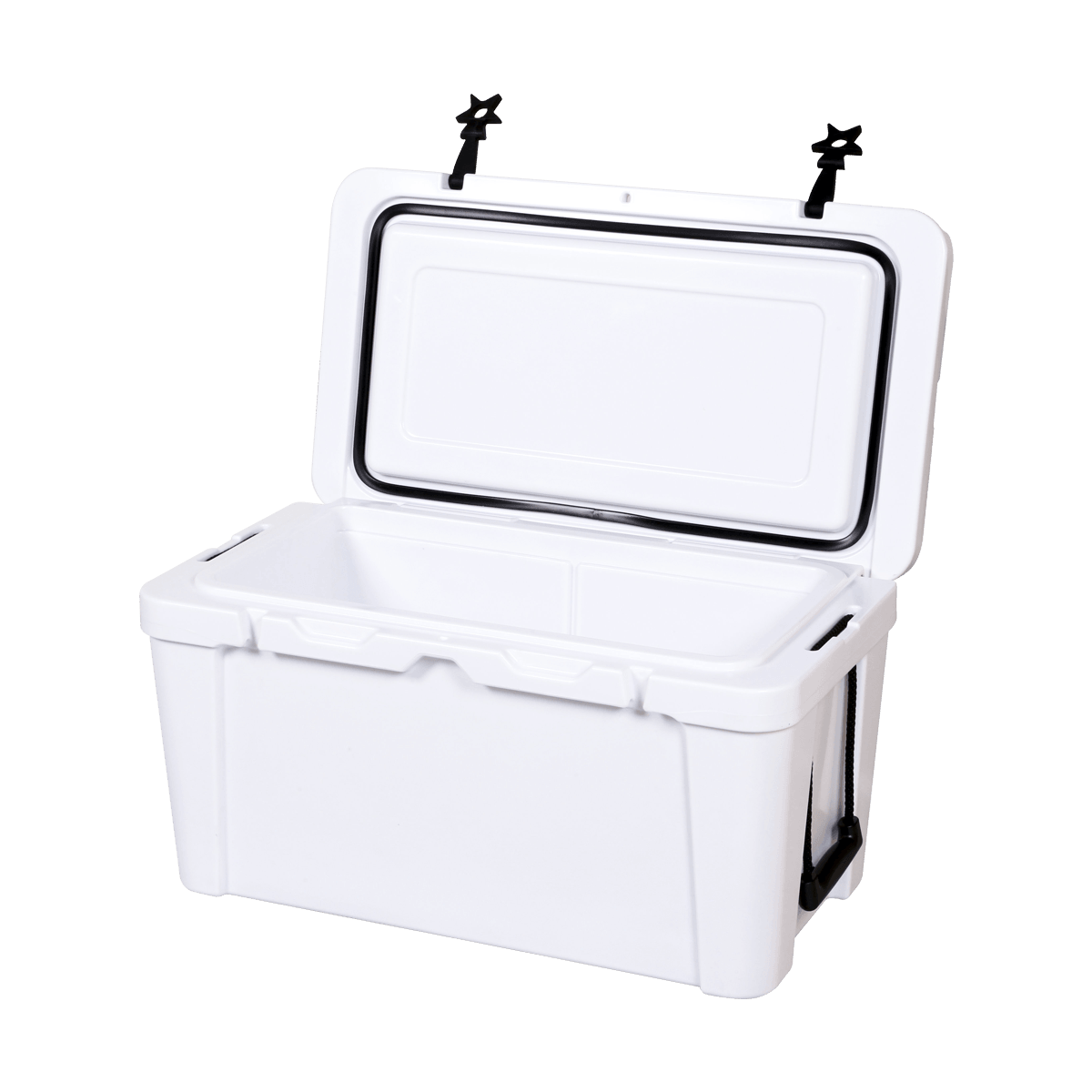
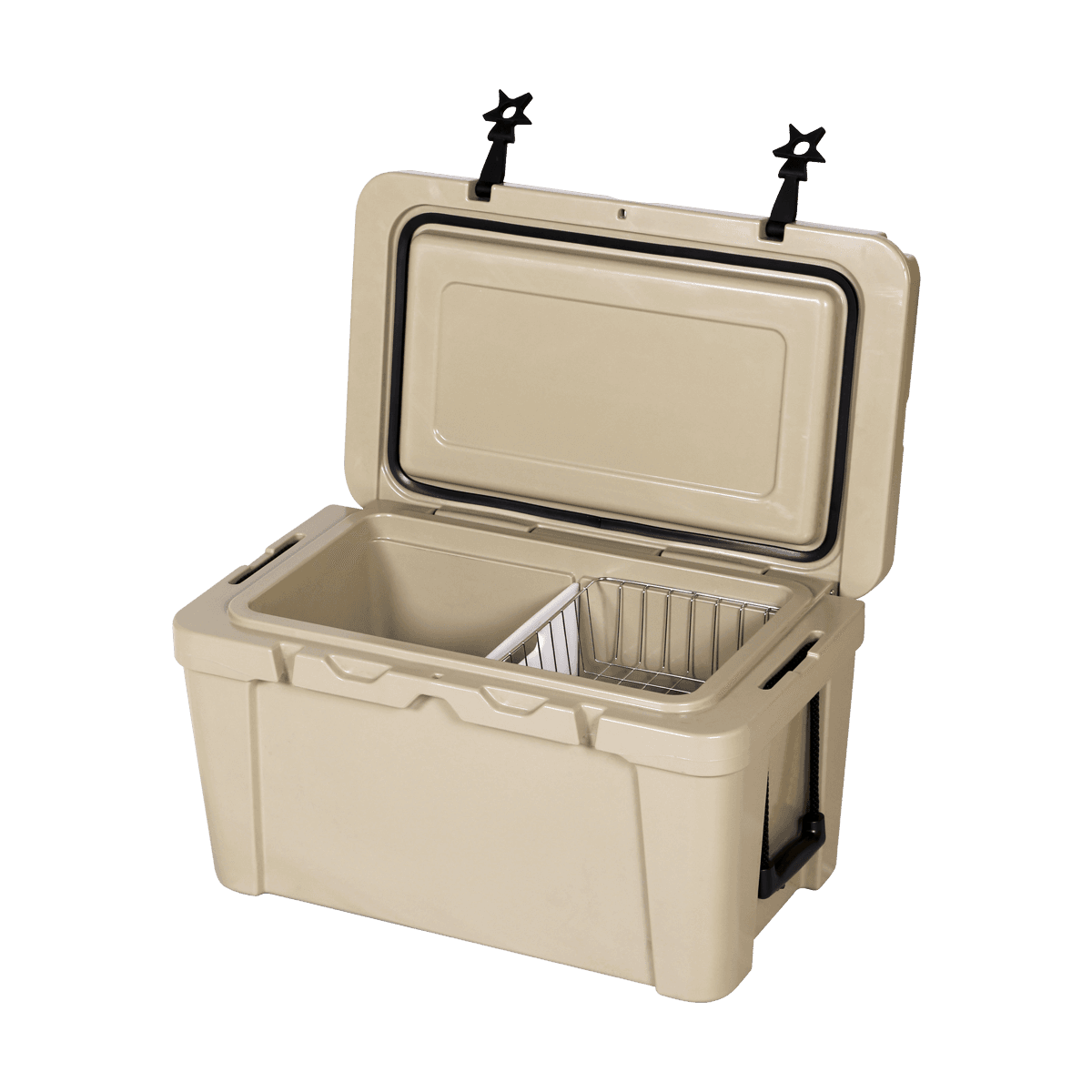
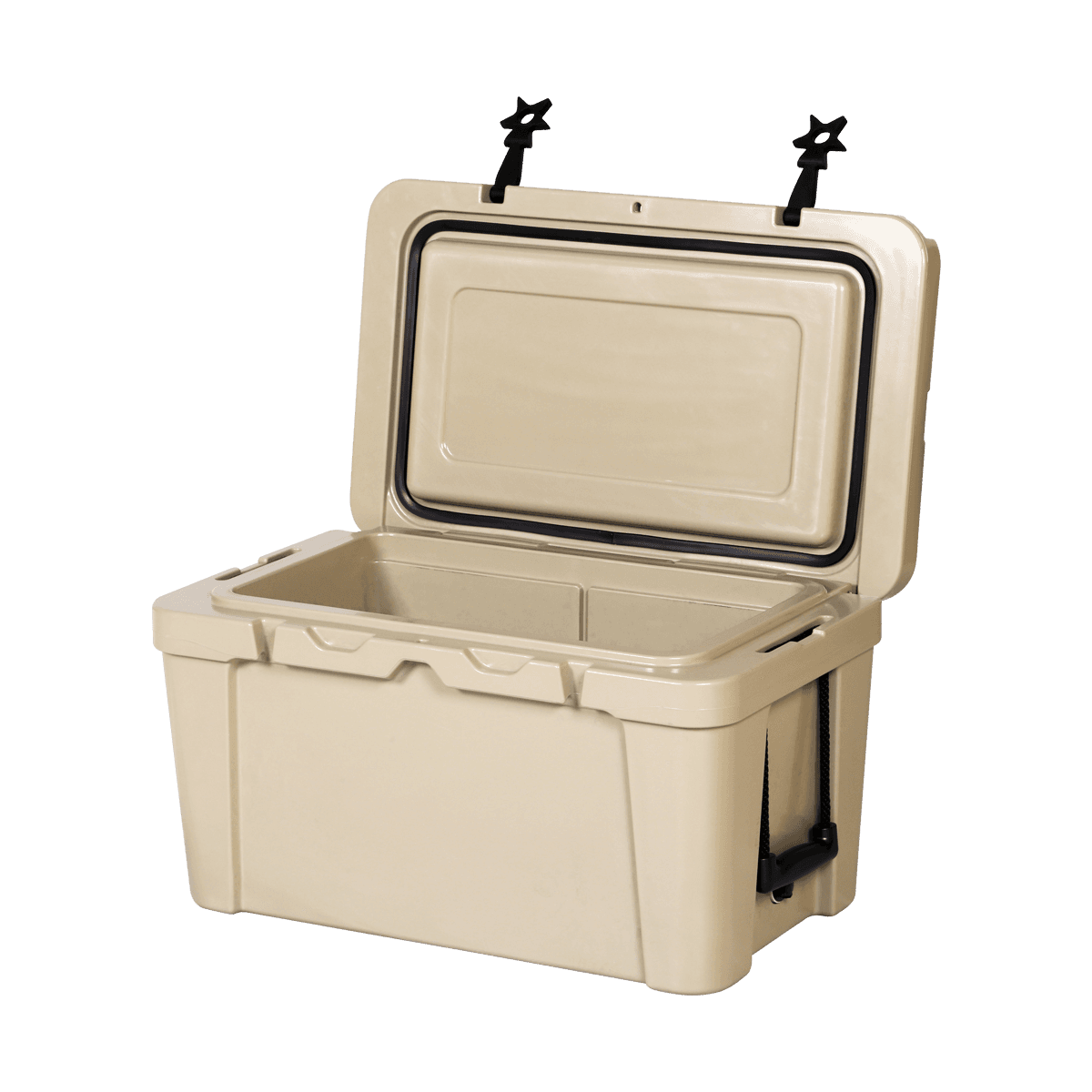
These are the thick-walled, heavy-duty coolers (think Yeti-style) molded as a single seamless piece, usually from HDPE (#2) or a blended #7 polyethylene formulation. The rotomolding process creates wall thickness up to 2-3 inches with foam insulation packed inside, which is why these coolers can hold ice for 5-10 days in moderate conditions. Best for: multi-day camping trips, hunting and fishing trips, anyone who needs a cooler that can also double as a seat or be dragged across rocky terrain.
2. Injection-Molded Hard Coolers
This is the classic two-piece hard cooler — body and lid molded separately, then assembled, typically out of HDPE (#2) or PP (#5). They're lighter and significantly cheaper than rotomolded coolers because the walls are thinner and the insulation is less dense. Ice retention is usually 1-3 days. Best for: day trips, tailgating, backyard parties, and budget-conscious buyers who don't need multi-day cold retention.
3. Soft-Sided Coolers
Soft coolers use a fabric or vinyl exterior with a closed-cell foam liner, often laminated with LDPE (#4) for the waterproof inner layer. They're collapsible, lightweight, and easy to carry over a shoulder, but their ice retention (typically 1-2 days) and crush resistance are both lower than hard coolers. Best for: lunch packing, beach days, hiking, anyone who values portability over multi-day cold retention.
4. Stackable Ice Bins and Tubs
These are the open-top or lidded bins you see behind bars, at concession stands, or in commercial kitchens — almost always PP (#5) because polypropylene tolerates repeated washing, stacking, and minor impacts without cracking. Best for: party hosting, beverage stations, commercial or semi-commercial use where you need to scoop ice repeatedly rather than keep a sealed cooler.
5. Ice Cube Trays and Molds
Standard trays are PP (#5) or silicone (not a numbered plastic at all, and generally considered very safe for food contact). Avoid older or off-brand trays made from unlabeled or #3/#7 plastics, especially if they've yellowed or developed a strong plastic smell — that's a sign of resin breakdown. Best for: home freezer use, anyone making ice to fill a separate cooler rather than buying bagged ice.
6. Disposable Foam Coolers
These are the white foam coolers sold at gas stations and grocery stores, made from expanded polystyrene (#6). Styrofoam coolers are rarely accepted by recyclers, break apart easily, and are harmful to wildlife, so it's best to avoid using them altogether for anything beyond a single use. They also shed foam particles into food and ice over repeated use, which is a real contamination concern, not just an environmental one. Best for: one-time shipping or a single event where the cooler will be discarded immediately after — not for repeated use.
7. Insulated Bags and Boxes with Reflective Liners
These use a foil-laminate or metallized film liner (often a thin LDPE or PET layer) instead of a thick foam core. They're the lightest option by far and fold completely flat, but they offer the shortest ice retention of any type on this list — usually just a few hours. Best for: grocery shopping trips, short commutes with perishables, situations where weight and storage space matter more than cold retention time.
| Type | Typical Resin | Ice Retention | Best Use Case |
|---|---|---|---|
| Rotomolded hard cooler | #2 / #7 blend | 5-10 days | Multi-day trips |
| Injection-molded cooler | #2 / #5 | 1-3 days | Day trips, tailgating |
| Soft-sided cooler | #4 liner | 1-2 days | Lunches, beach, hiking |
| Stackable ice bin | #5 | Varies (open use) | Parties, bar service |
| Ice cube tray | #5 / silicone | Freezer-dependent | Home ice production |
| Foam cooler | #6 | 1-2 days | Single-use shipping |
| Reflective bag/box | #1 / #4 film | A few hours | Grocery runs, short commutes |
Which One Do You Actually Need?
Strip away the marketing and the decision comes down to three questions: how long does the ice need to last, how far does it need to travel, and how often will you reuse the container? Use this decision path:
- If you need ice to survive more than 3 days outdoors → rotomolded hard cooler (#2 or verified BPA-free #7).
- If you're going on a single day trip or tailgate → injection-molded hard cooler (#2/#5), much cheaper and lighter to carry.
- If you're walking, biking, or hiking and weight matters more than ice longevity → soft-sided cooler (#4 liner).
- If you're hosting and need to scoop ice repeatedly rather than keep it sealed → stackable PP (#5) ice bin.
- If you're making your own ice rather than buying bagged ice → PP (#5) or silicone trays, never unlabeled or #3 plastic.
- If this is a one-time use, like shipping perishables → foam (#6) is acceptable, but don't reuse it for food storage.
- If you just need a few hours of cold for a grocery run → a reflective insulated bag is the lightest, most packable option.
Most households end up owning two or three of these, not just one. A common practical setup: a rotomolded hard cooler for camping and long trips, a soft-sided cooler for daily lunches and the beach, and a stackable PP bin for backyard parties.
Why the Plastic Number Matters More Than People Think
It's tempting to treat the resin code as trivia, but it has real downstream consequences for two separate reasons: chemical exposure and contamination from microbial growth.
Bacteria on Plastic Water Bottles and Reused Containers
A cooler isn't just a chemical safety question — it's a hygiene one too. Disposable plastic bottles are nearly impossible to clean properly, making them a breeding ground for bacteria, which can make them even more hazardous to reuse. Over time, tiny cracks can develop in reusable bottles which allow bacteria and fungi to grow, often invisibly. The same logic applies to cooler interiors: a scratched or pitted #2 cooler liner that's never fully dried between uses is a much bigger near-term risk than the resin type itself. Practical fix: dry your cooler completely before storage, avoid leaving standing meltwater in it for days, and replace any container once you notice cloudiness, cracking, or a persistent plastic odor.
The Bigger Picture: Plastic Pollution in America
Choosing the right cooler type also has an environmental dimension worth knowing. The United States generates more plastic waste per capita than almost any other nation, at over 220 kilograms per person per year as of 2019 — roughly five times the global average. On the recycling side, the gap between intention and outcome is stark: the EPA's most recent comprehensive data puts the overall U.S. plastic recycling rate at just 8.7 percent, meaning the overwhelming majority of plastic waste, including disposable foam coolers, ends up in landfills rather than being reprocessed.
This is one more reason to favor a durable, reusable hard or soft cooler over a one-time foam unit: a single rotomolded cooler used for ten years replaces dozens of disposable foam coolers that would otherwise sit in a landfill for centuries.
How to Read the Stamp on Your Cooler
Most coolers have the resin code molded into an inconspicuous spot — the underside of the lid, the base of the body, or near a drain plug. If you can't find a number, that doesn't automatically mean unsafe plastic; it may simply predate stricter labeling requirements, or the manufacturer may use a multi-material build that doesn't fit the standard codes cleanly.
A few practical checks you can do at home:
- Look for "BPA-free" printed directly on the product, especially for #7-coded items.
- Check for "food-grade" or "FDA-approved" language, which signals the resin meets food-contact standards.
- Avoid containers with a strong chemical smell straight out of the box — that often indicates lower-grade plastic or incomplete curing.
- Replace any cooler or tray that has gone cloudy, brittle, or visibly cracked, regardless of its original resin number.
Frequently Confused Terms, Clarified
A few quick, direct answers to round out the terminology people search for around this topic:
- Resin identification code vs. recycling symbol: the RIC tells you the resin type; it does not promise curbside recyclability in your area.
- Plastic 4 (LDPE): flexible, squeezable plastic — common in soft cooler liners and ice bags, considered safe for food and ice contact.
- Recycle 1 symbol (PET): common on disposable water bottles; safe for single use but not intended for long-term reuse due to bacterial buildup and gradual material breakdown.
- What plastic number is safe for hot liquids: generally #5 (PP) tolerates heat best among common food-grade plastics; #1, #4, and #6 are not designed for hot contents.
Bottom Line
For ice and food contact, stick to containers marked #2, #4, or #5, and treat any #7-coded item as needing a BPA-free confirmation before regular use. For the physical type of cooler, match it to your actual trip length and carrying needs rather than buying the biggest or most expensive option by default — a $20 injection-molded cooler is the right tool for a single tailgate, while a multi-day camping trip genuinely benefits from the insulation a rotomolded hard cooler provides. The number on the bottom and the shape of the cooler are two separate decisions, and getting both right means your ice, your food, and your gear all last as long as they're supposed to.
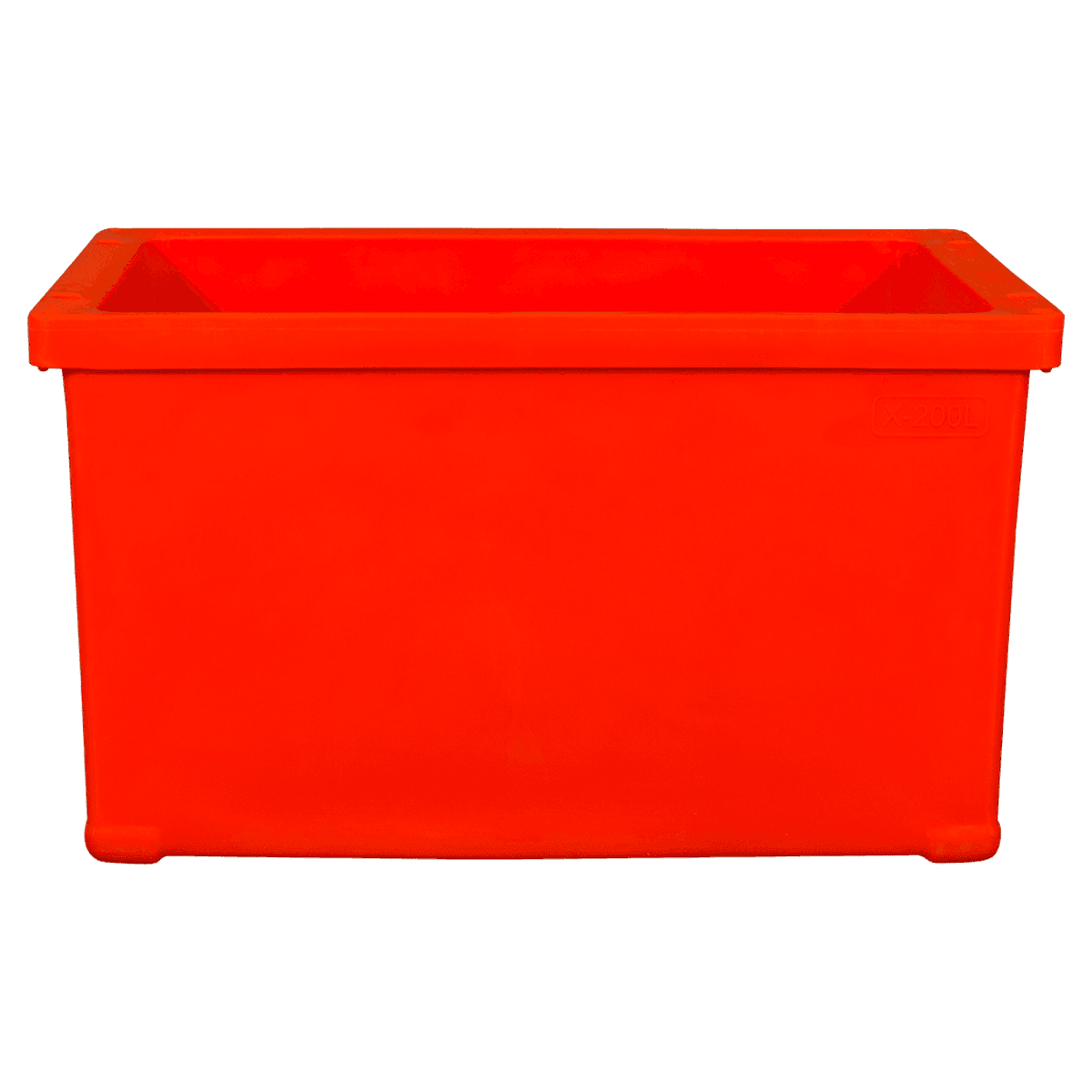
-4.png "X-120L izolowany pudełko na pojemnik na lód")
-4.png "X-70L Izolowane pudełko na lód rybacki")
-2.png "Pudełko lodowcowe X-68L, aby żywność była zimna i świeżo")
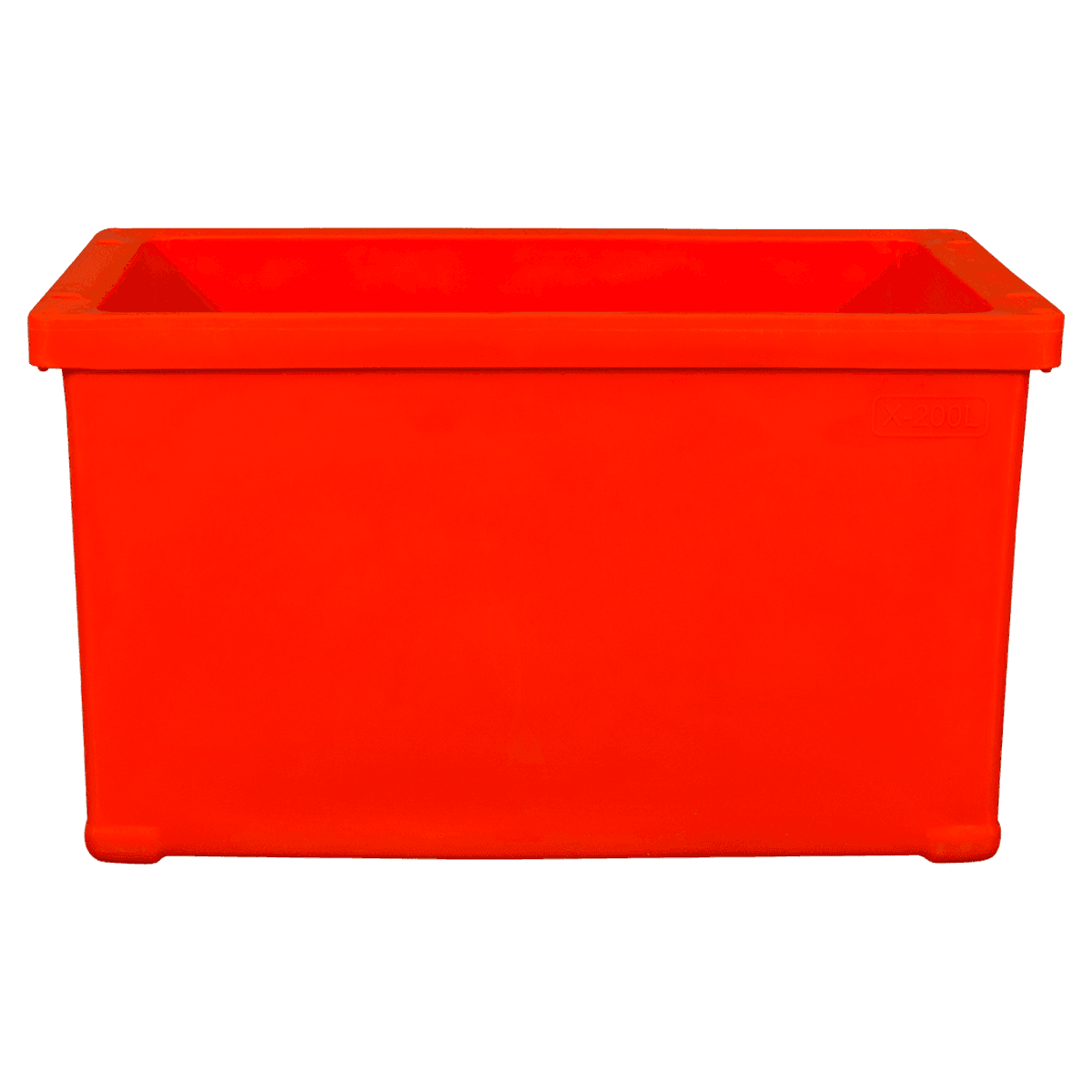
-2.png "X-120L Live Owocy morza zbiorniki transportowe")
-2.png "X-70L z czołgami transportu z owocami morza")